Salt Air on a Weeknight: How Tojinmachi Turns Seaside Momochi Into an Everyday Escape
Back in the States, going to the beach was an event. You packed the car the night before, checked the traffic report, packed a cooler, argued about parking. It was a production, and honestly, that's part of why I maybe went three times a summer.
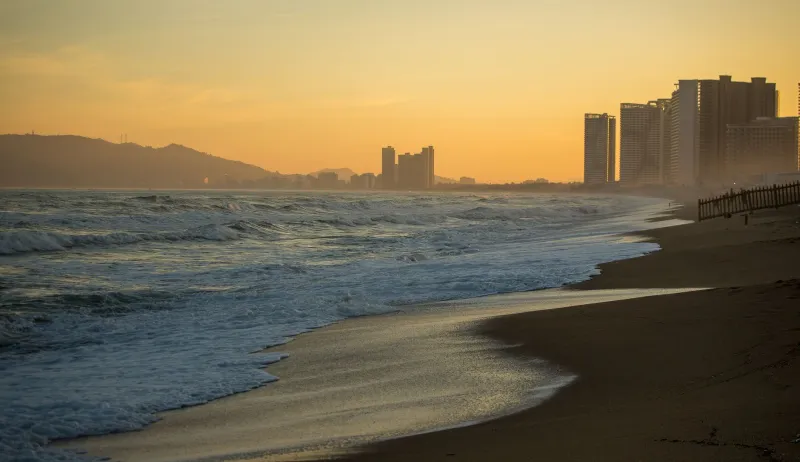
Then I moved to Tojinmachi, and my relationship with the ocean completely changed. Not because I found some spectacular beach — Seaside Momochi is lovely, but it's a man-made stretch of sand beside Fukuoka Tower, not Maui. It changed because the beach stopped being an event and started being a habit. And that, it turns out, is the better version.
The Ten-Minute Math That Changes Everything
From Tojinmachi Station, you can be standing on the sand in about ten minutes. Bike it and you'll pass the Muromi River, cross under the elevated highway, and suddenly there's the water, with Fukuoka Tower glowing on one side and the Genkai Sea stretching out ahead of you.
Ten minutes matters. It's short enough that you don't need to commit to a full day. It's short enough that you can go after work, after dinner, even after a bath. It's the difference between "we should go to the beach sometime" and "want to walk to the water?" — a question you can actually say yes to on a random Wednesday.
This is the thing resort towns get wrong and residential neighborhoods like ours get right. In a resort town, the beach is the destination and everything is built around extracting money from visitors. In Tojinmachi, the beach is just... nearby. Like a park with better sunsets.
What Locals Actually Do There (Spoiler: Not Much, and It's Perfect)
Watch a Tojinmachi local at Momochi in the evening and you'll notice something: nobody's doing much of anything, and everyone seems completely content.
The classic moves:
- The after-dinner walk. Older couples and families stroll the promenade as the sun drops behind the tower. No phones out, no agenda. It's the neighborhood's unofficial evening ritual.
- The konbini picnic. Grab a Lawson or FamilyMart onigiri, a cold drink, maybe fried chicken, and claim a spot on the seawall. Total cost: about $6. The picnic blanket is optional; plenty of regulars just sit on the steps.
- The sunset sit. Around an hour before dark, people drift onto the sand facing west. The sun sets directly behind Fukuoka Tower, which — I'll admit it — is a legitimately great composition. Photographers know it, but so does everyone else.
- The kids-and-dogs hour. The stretch near the marine world side fills up with kids burning off last energy and dogs socializing while owners compare notes. It's the neighborhood square, relocated to the sand.
Notice what's missing: no rental chairs, no beach club minimums, no one trying to sell you a cabana. The whole experience can cost zero yen, which is why people do it constantly instead of saving it for vacation.
Timing Is Everything
If you want the Momochi experience at its best, here's the local rhythm:
Golden hour (60–30 minutes before sunset) is when the promenade comes alive. In summer that means after 6:30 p.m.; in winter, closer to 5. The light on the tower is genuinely worth planning around.
Summer evenings are the sweet season. Daytime beach crowds thin out, the heat breaks, and the sand stays warm underfoot. Swimming is officially in the July–August season with lifeguards, but the evening crowd is mostly there for the air, not the water.
Off-season (October through April) is the insider's pick. The beach empties out, the air is crisp, and sunset walks become a legitimate cold-weather activity. Bring a thermos. There's something very Fukuoka about sipping hot tea on a seawall in November while the city lights come on across the bay.
One heads-up for US visitors used to lifeguarded beaches: swim only during the official season and within the flagged areas. Outside of that, the water is for looking at, not swimming in. Locals treat the sea as scenery and gathering space, and honestly, that mindset works.
The Pack List (Keep It Stupidly Simple)
The beauty of a ten-minute beach is that you don't need gear. My entire kit:
- A convenience store drink and snack
- A small towel or sheet (a large bandana works in a pinch)
- A light layer for after sunset — sea breeze is real
- In summer: bug spray for the grassy areas near the river mouth
That's it. If you forget something, there are konbini along the way. The low barrier to entry is the whole point. When the beach trip requires a checklist, you go less. When it requires shoes and a wallet, you go all the time.
Make a Whole Evening of It
My favorite local routine: start with a riverside walk along the Muromi as the light gets low, follow it out toward the bay, then end at Momochi for sunset with a snack from the konbini. On bigger nights, the beachside food stalls and casual yakitori spots around the Seaside Momochi area fill the air with charcoal smoke — beach food without resort prices.
Then bike home, rinse off, and you're back in your own kitchen by 9. Total cost of the evening: a few dollars. Total effect on your quality of life: hard to overstate.
That's the real case for living in Tojinmachi. It's not that we have the best beach in Japan — we don't, and nobody here pretends otherwise. It's that the sea is close enough to become ordinary, and ordinary ocean access turns out to be one of the best things a neighborhood can give you.
See you on the seawall around golden hour. I'll be the one with the convenience store chicken and no plans whatsoever.