Skip Ohori Park: Where Tojinmachi Locals Actually Watch the Sakura Come In
My first spring in Tojinmachi, I did what every American does: I Googled 'cherry blossoms Fukuoka,' saw Ohori Park and Maizuru Park at the top, and hopped on the subway with a thousand other people. It was lovely. It was also a 25-minute schmoozefest with every tour group in Kyushu.
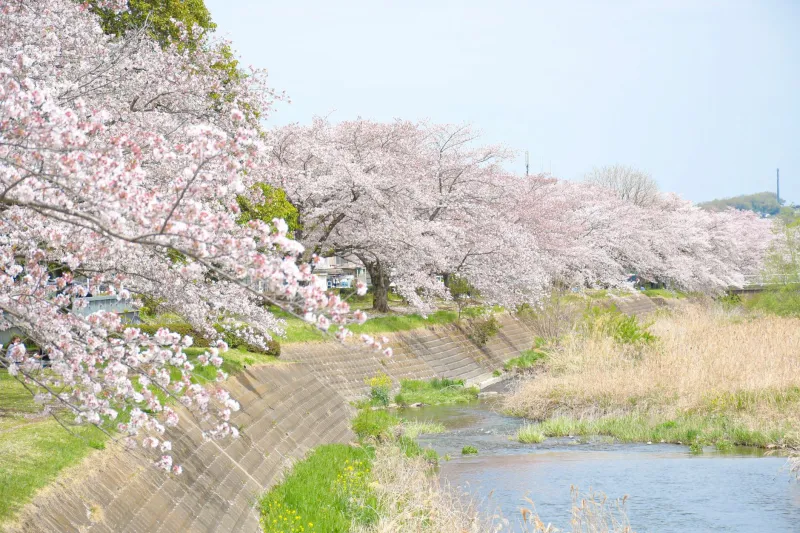
Then, about a week later, I walked home the long way along the Muromi River and stopped short. Pink. Everywhere. Quietly, without a single food stall or Instagram tripod, my own neighborhood had put on the same show.
So consider this your insider's map. No Kyoto-style spectacle here — just the spots where locals actually sit, timed to when the petals actually show up.
First, Timing: The Five-Day Window
Fukuoka's blossoms typically open in late March and hit full bloom (mankai) around early April. The whole shebang lasts maybe ten days, and the truly magical stretch — when the riverside trees form a soft pink tunnel — is about five days long. Check the Japan Meteorological Corporation's bloom forecast each March and set a phone reminder. Seriously. Blink and you're looking at green trees and a carpet of petals wondering what happened.
Stop 1: The Muromi River Stretch (The Main Event)
The riverwalk between the Muromi-bashi area and the smaller footbridges south of the station is the neighborhood's headline act. Dozens of cherry trees line both banks, and by early April the canopy reflects off the water in a way that makes even my terrible phone photos look professional.
The local move: On the first warm weekend of bloom season, blue tarps start appearing on the grass banks by mid-morning. This is hanami, the blossom-viewing picnic tradition, and it is a competitive sport. If you want a riverside spot for a group, send one brave person down by 9 a.m. with a tarp and a thermos. Solo or a couple? You can usually slide in anywhere after 4 p.m.
Stop 2: The Post Office Tree (The Underdog)
There's a single, slightly lopsided cherry tree outside the post office near the shopping street that nobody writes about because, well, it's one tree. But it blooms early, it's lit by the streetlight at night, and the aunties who work nearby will absolutely tell you it's the best one in the neighborhood. Grab a taiyaki from the snack shop, lean on the wall, and enjoy the most low-effort blossom viewing in Fukuoka.
Stop 3: The School Fence Alley
The lane along the elementary school grounds catches the afternoon light, and the row of trees there peaks a day or two later than the riverside ones — a nice backup if you miss peak. Just note this is a school zone: keep it quiet, no photos of the kids, and move along promptly at pickup time.
Stop 4: The Small Park by the Footbridge
Two benches, three trees, one vending machine. This is where the neighborhood retirees gather with thermoses of tea and rate the bloom like sommeliers. If you sit there long enough, someone will offer you a mandarin orange. This is not a drill. Accept the orange.
Hanami Etiquette for Americans: The Short Version
- Tarps claim territory, but don't leave them overnight. Take your tarp home each evening. Abandoned tarps get removed.
- Keep music in one earbud or bring a small speaker and keep it at conversation volume. This is a neighborhood, not a festival ground.
- Pack out everything. There are limited trash bins in Japan, period — bring a plastic bag and carry your garbage home. Your trash sorting skills from the apartment will serve you well.
- Don't shake or pull branches. Ever. Not for a photo. The aunties will see you.
- Drinking in the park is fine in most public spaces in Japan, but keep it to a pleasant level. A can of beer with your bento: normal. A cooler and a beer pong table: no.
The Petal Finale
Here's the part nobody warns you about: the end is arguably better than the peak. Around day seven or eight, a good breeze sends the petals down all at once — locals call the drifts on the water hanaikada, 'flower rafts.' Walk the Muromi at dusk when that happens and you'll understand why the whole country stops for two weeks a year for a tree.
Then, almost overnight, it's green, the tarps are gone, and the riverside belongs to the runners again. Until next April.
Have a spot we missed? There's a bench out there with your name on it.