Hand-Drawn Labels and a Nod: Meeting the Obachan Behind Tojinmachi's Unmarked Morning Bento Stand
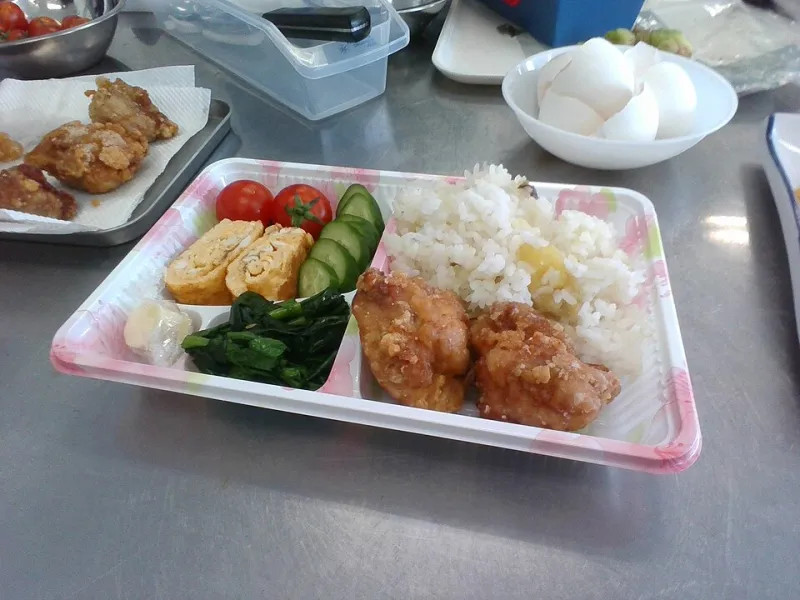
Photo: MassaWikiniki, CC0, via Wikimedia Commons
The first time I found it, I wasn't looking for it. I was late for a train, cutting through the side street off the south exit of Tojinmachi station, when I noticed a small line of people shuffling toward what appeared to be a garage door. There was a folding table. There was a cooler. There was a woman in an apron handing out bento boxes with the efficiency of a pit crew, and there was, remarkably, no sign of any kind. If you know, you know. And apparently, I didn't know yet.
I do now. A week of morning visits later, I've had breakfast conversation with a grad student, a retired postman, an Australian engineer, and a woman who I'm fairly certain runs the dry cleaner two blocks over. All of them were there for the same thing: a homemade bento from the obachan whose name most of us never learned, but whose hand-drawn labels we can spot from across the street.
The Stand That Isn't a Stand
Let me set the scene for anyone picturing a food truck or a stall. This is closer to someone selling extra food off their front step, except the "extra" is forty or fifty perfectly assembled boxes and the front step happens to sit ninety seconds from the station.
The operation runs mornings only, roughly 7 to 10, or until the cooler empties — whichever comes first. On rainy days she sets up under the overhang of the building next door. On hot ones, a battery fan hums next to the cash box. There's a hand-lettered price board, but the real menu is the boxes themselves, each topped with a label she draws herself: a little sketch of the day's main dish, the price, and occasionally a note in Japanese for anyone who can read it.
My first purchase was a box marked with what I genuinely thought was a cartoon sun. It was, it turns out, a very good umeboshi rice ball situation, and I had accidentally ordered the sour plum special. Lesson learned. Now I can decode the whole lineup: the fish with the little steam lines means it's hot off the grill, the asterisk by the price means it's the last one, and the smiley face — I've been told by a regular — means she made too much of something and you're getting a bonus.
What's Actually in the Box
For the price of a fancy coffee back in the States — we're talking 500 to 600 yen — you get a box that would run you $15 at a Japanese lunch spot in Los Angeles or Seattle. Think grilled salmon with a miso glaze, tamagoyaki folded soft and slightly sweet, pickled vegetables that snap, rice seasoned like someone's grandmother is personally invested in your morning. Because, well, she might be.
The menu rotates with what's good at the morning market. I've had a katsu sandwich situation on a Friday that I still think about. I've had a humble inari set that cost less than a vending machine soda and a canned coffee combined. There's no ordering ahead, no app, no loyalty program. The loyalty program is that she remembers you.
The Unofficial Welcome Committee
Here's the thing that turned this from a food review into a profile: within my first three visits, she had figured out I was new to the neighborhood, worked out roughly what I could eat (my Japanese is functional at best, my chopstick skills passable), and started holding one box back on days when she thought I'd come by. Nobody asked her to do this. There's no expat outreach program. She just noticed a foreigner looking lost at a menu and decided that was her problem to solve.
I'm not the first. The Australian engineer told me she drew him a map to the clinic when he showed up with a sprained ankle. A Chinese student told me she taught her the word for "less salt" through a week of increasingly elaborate hand gestures. The retired postman just said, simply, that she's been there longer than anyone can remember, and the neighborhood organized itself around her the way a river organizes itself around a rock.
By day five, I watched her greet a fresh arrival — a guy with a suitcase, clearly just picking up keys to an apartment nearby — and point him toward the realtor's office before he'd even said where he was going. Tojinmachi has plenty of official institutions. But this cooler on a folding table might be the actual front door of the neighborhood.
A Practical Guide for Your First Visit
Since I've now done the fieldwork, here's what you need to know:
- Go early. By 9 a.m. the selection thins out fast, and the asterisk boxes (last ones) go quickly.
- Bring coins. The cash box is honest and so is everyone in line, but there's no card reader, and this is not the place to ask.
- Point and smile. The labels do a lot of work, but pointing is a universal language and she'll meet you halfway.
- Say it back. Learn the word for today's main dish and use it. The nod you get back is worth the price of the box alone.
- Return the favor eventually. A regular brought her a bag of oranges from her hometown in February. I'm told this is the correct move.
I won't give the exact address, partly because I only half-know it myself and partly because some things in a neighborhood should be found the way I found it: by accident, late for a train, hungry. Walk the south side of the station some morning between 7 and 9. Look for the line. Look for the hand-drawn sun.
Bring coins. Say it back. And when she holds a box aside for you on day three, congratulations — you don't need a welcome sign anymore. You live here.