The Key Cutter Knows Everything: An Afternoon at Tojinmachi's Last Stand-Alone Repair Shop
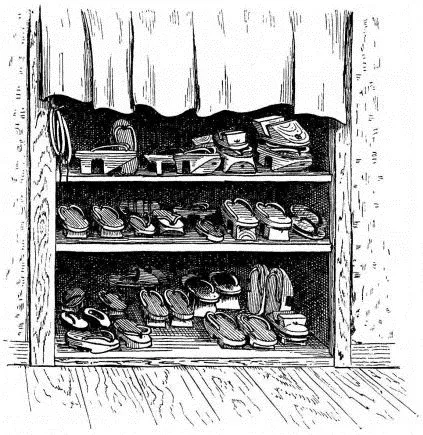
Photo: Edward S. Morse, Public domain, via Wikimedia Commons
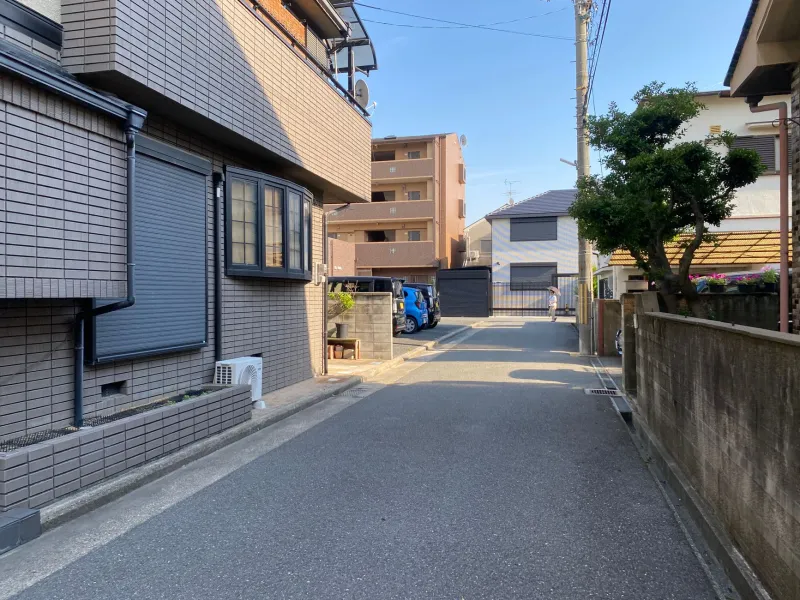
There's a shop on the side street behind the station that I walked past for eight months before going in. From the outside it reads like a rumor: a hand-painted sign faded to pink, a glass case of keys, a bicycle more often than not parked out front. Inside, it's about the size of a two-car garage back home, and it smells like machine oil and old leather.
The sign says, in effect, repairs. That's it. One word covering shoes, bags, keys, knives, umbrellas, and — as I would learn — the emotional weather of the entire neighborhood.
The Man Who Fixes Things
The owner is a man in his seventies whose name I still don't know, because everyone just calls him the master, the way you might a sushi chef. He wears a work apron that has clearly outlived several of my apartments. When I brought in a pair of leather boots with a flapping sole, he took them without a word, turned them over, made a low humming sound that I've come to understand is his version of a full diagnostic, and said "three days."
Three days and 1,800 yen later, the boots came back looking better than they had in years. For context: my instinct back in the States would have been to browse DSW. Here, the instinct — his and the neighborhood's — is to fix.
This is the shuri-ya (repair shop) tradition, and it's quietly disappearing all over Japan. Big-box shopping and cheap fast fashion have done their work. But in Tojinmachi, a district that has always been a little too practical to care about trends, the stand-alone repair shop survived. This might genuinely be the last one.
The Unofficial Information Desk
Here's what nobody tells you: the master is also the neighborhood's switchboard.
While I waited for my boots, three separate people came in. One dropped off an umbrella with a bent rib. One picked up a knife and stayed to chat for ten minutes. One didn't bring anything at all — just asked a question about a landlord dispute, got an answer, nodded, and left.
I asked him about it once, in my broken Japanese. He shrugged and said something I've thought about ever since: everyone's keys pass through here. Which is true, literally — he's cut keys for half the apartments in the district — and figuratively, because if you want to know which landlord is reasonable, which building has water pressure issues, or where the good knife sharpener went when he retired (spoiler: it's this guy now), you ask the man with the key machine.
For expats, this makes him something rarer than a repairman. He's a one-man local guidebook that updates in real time.
But What About the Language Thing?
I know the fear, because I had it. You walk in with limited Japanese, holding a shoe, and imagine a painful pantomime ending in embarrassment.
Here's the actual playbook:
- Bring the object, not the explanation. You don't need to say "the heel is separating from the sole due to adhesive failure." You point. You make a wobbly gesture. The object does the talking.
- Learn one phrase: "naoshite kudasai" (please fix it). That plus a bow covers 80% of transactions.
- Use your phone's translate app for the details. Show him the text. He'll read it, nod, and type or scrawl a reply. It works better than it sounds.
- Expect a number, not a conversation. He'll hold up fingers or write the price. No haggling, no surprises.
The honest truth is that repair shops may be the single most low-language-pressure interaction in Japan. The transaction is the object itself. Everything else is optional.
What Things Actually Cost
Because I know you're going to ask — here's the going rate sheet, based on my receipts and those of neighbors I've polled:
| Repair | Price | Wait |
|---|---|---|
| Key cut (standard) | ~1,000–1,500 yen | 10 min |
| Shoe sole re-glue | ~1,500–2,000 yen | 2–3 days |
| Heel replacement | ~2,500–3,500 yen | 3–4 days |
| Knife sharpening | ~800–1,200 yen | Same day |
| Bag strap / zipper fix | ~1,500–3,000 yen | 2–4 days |
| Umbrella rib repair | ~800–1,000 yen | 1–2 days |
Compare that to American repair prices — where a cobbler visit can run $40 and up, if you can find one — and the math isn't even close. A pair of good leather shoes, resoled twice, will outlast three pairs of cheap ones and cost half as much.
Why This Matters More Than It Seems
There's a version of expat life in Japan where you orbit the konbini and the Amazon Prime account and never really touch the neighborhood's infrastructure. It's comfortable. It's also a little lonely.
The repair shop is the opposite of that. It's a place where being a regular takes exactly two visits, where the transaction itself is an act of faith in the neighborhood, and where fixing something is a small vote against throwing things away — a value that, honestly, this district embodies better than anywhere I've lived.
So bring the boots. Bring the knife your grandmother sent that's gone dull in your drawer. Bring the umbrella that's been sitting broken by your genkan since typhoon season.
The master will hum at it, quote you a number, and have it back in three days. And you'll walk out knowing one more person in Tojinmachi — and, if you linger, one more thing about the neighborhood than you did walking in.