Pine, Bamboo, and a Nod From My Landlord: Decoding Tojinmachi's New Year Doorways
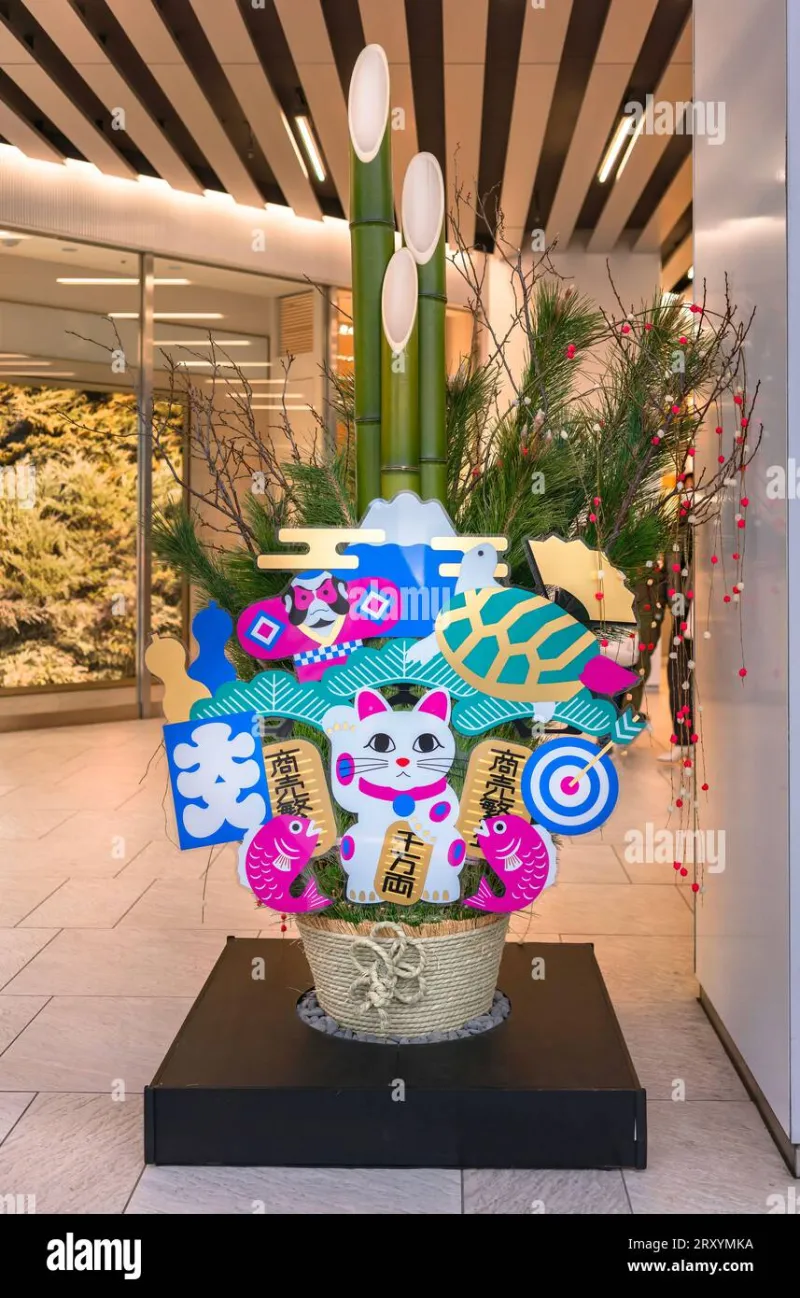
Photo: kadomatsu small pine bamboo new year decoration japanese apartment door, via c8.alamy.com
My first January in Tojinmachi, I noticed something odd on my morning walk to the station. Little bundles of pine needles and bamboo, tied with string, had sprouted overnight beside doorways all down my street. Some were tucked next to apartment mail slots. Some flanked the glass doors of the noodle shop on the corner. None were on mine.
For a solid week I assumed I'd missed a memo — possibly a citywide one. Was this a fire code thing? A neighborhood association fee I hadn't paid? It took a slightly awkward conversation with my landlord, delivered in my then-shaky Japanese and his very patient English, to learn that these little arrangements are called shoheibi (or kadomatsu when they get bigger), and that nobody was going to fine me for not having one. But he did mention, almost offhandedly, that the family in 203 always puts one up, and it "makes the building feel awake."
That sentence stuck with me. Here's what I've learned since, in case you're staring at your bare doorframe this New Year.
What a Shoheibi Actually Is
Think of it as a doorframe-sized New Year decoration. Traditional kadomatsu — the big paired arrangements you'll see outside shops and department stores around Fukuoka — are made of pine, bamboo, and sometimes plum branches, symbolizing longevity, uprightness, and renewal. A shoheibi is the modest apartment-dweller's version: a small pine sprig, maybe a sliver of bamboo, often tied with a bit of straw or red-and-white cord.
You'll spot them in Tojinmachi from late December through the first week of January. Some households take them down quickly; others leave them until around January 7 (or the 15th, depending on who you ask — this is genuinely a point of friendly regional disagreement, so don't wade into it at the izakaya). After that, they go back to the shrine or get properly disposed of at a dondon-yaki burning ceremony, where the previous year's decorations are ritually burned to send off the lucky spirits.
You are not required to burn yours in your tiny balcony grill. Please don't.
Do You Have to Put One Up? (Short Answer: No. Longer Answer: Also No, But...)
Here's the thing American renters need to hear clearly: there is no obligation. Your lease says nothing about seasonal pine. Your landlord will not deduct it from your deposit. Japan's renting rules around decorations are far more relaxed than the anxiety spiral in your head suggests.
But — and this is the part that took me two New Years to understand — participating is a low-cost, low-effort way of signaling I live here, and I notice things. In a neighborhood like Tojinmachi, where the same faces pass the same bakery every morning, that signal compounds. The obachan at the vegetable stand started greeting me differently after my second year of hanging a modest sprig. Coincidence? Maybe. But I doubt it.
Where to Get One Without Embarrassing Yourself
Options, from easiest to most ambitious:
- Supermarkets and home centers. In late December, places like the grocery stores around the station stock small ready-made shoheibi near the entrance, usually for a few hundred yen. Grab one, take it home, done.
- Florists. A local flower shop will make something nicer, and they'll often explain the placement if you ask (even in gesture-language).
- DIY. Pine and bamboo from a craft store, some florist wire, five minutes. Mine looks genuinely terrible and my landlord complimented it anyway, which tells you everything about how low the bar actually is.
Placement, Etiquette, and Not Annoying Your Neighbors
A few practical notes for apartment life:
- Keep it inside or modest outside. If you're in a shared building, hanging something small by your own door — inside the entryway or flat against the wall beside it — is the safest bet. Nothing that juts into the hallway or blocks a neighbor's path.
- Check your building rules. Some managed buildings have guidelines about hallway decorations. A quick look at the notice board (or a question to the management office) saves headaches.
- Take it down on time. Leaving it up well into mid-January reads as slightly forgetful, like keeping your Christmas lights up until February. Nobody will say anything. Everybody will notice.
- Dispose of it respectfully. Tossing a New Year decoration in the regular burnable trash feels wrong to some neighbors. Your ward's garbage guide will have seasonal instructions, and some shrines accept old charms and decorations.
The Real Lesson: Renting Is Different When You Participate
I came to Japan thinking of my apartment as a transaction — square meters, rent, deposit. The shoheibi was the first thing that cracked that frame. A door decoration doesn't make your unit bigger or your rent cheaper. What it does is quietly enroll you in a rhythm the whole neighborhood is keeping: the pine goes up, the year turns, the pine comes down, the dondon-yaki smoke rises, and you were part of it.
My landlord never asked me to put one up again. But every January now, when that little bundle appears beside my door, he gives me a nod on the stairs. In the economy of Tojinmachi neighborliness, that nod is worth more than the deposit.
So this New Year, when you spot the pine and bamboo sprouting around the neighborhood, don't spiral like I did. Buy the cheap one at the supermarket. Hang it crooked. Take it down on time.
You'll be surprised what a few pine needles buy you.