Look Up, Not Out: Why Tojinmachi's Older Walk-Ups Beat the Momochi Towers
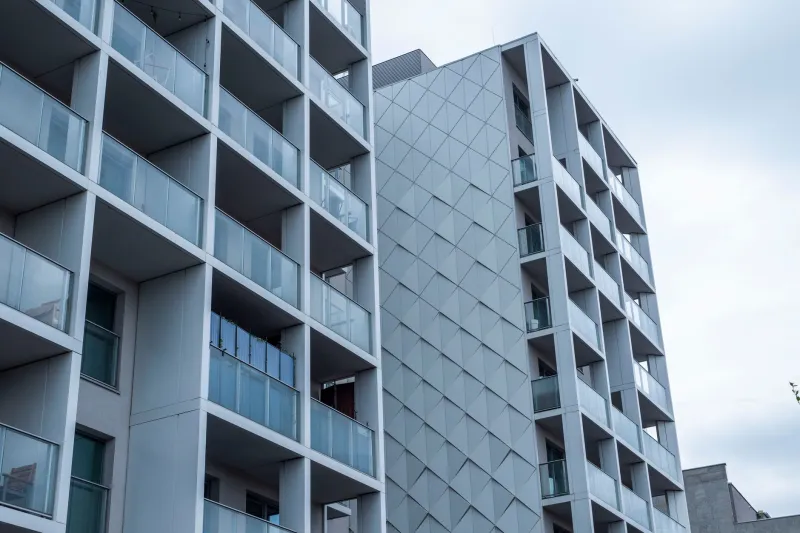
When my friend Dana moved to Fukuoka from Portland last spring, she did what most Americans do: she opened an English-language rental site, scrolled past a wall of glassy Momochi high-rises, and nearly signed a lease for a studio the size of her old parking spot. Then I took her on a walk.
We started at Tojinmachi Station, cut down toward the Muromi River, and I pointed up. Fourth floor, no elevator, faded beige siding, a laundry pole on the balcony, and — through an open window — a sliver of Hakata Bay catching the late-afternoon light. Rent? Roughly what she'd been quoted for a shoebox with a doorman.
She signed within the month. Here's what she learned, and what I wish someone had told me when I moved in.
The Case for the Building Nobody Photographs
Tojinmachi's rental market splits into two worlds. There are the newer towers near Momochi Seaside — lovely, priced accordingly, and heavily marketed to English speakers. Then there's the other stock: mid-rise manshon buildings from the '80s and '90s, three to five stories, mostly owned by individual Japanese landlords who have never heard of an English listing site.
These buildings are the reason the neighborhood works. They're near the station, near the river, and near the bakery that makes you wake up early on Saturdays. The layouts run generous by Japanese standards — 55 to 70 square meters is common, with separate kitchens and actual dining rooms — because they were built for families, not for the short-term rental market.
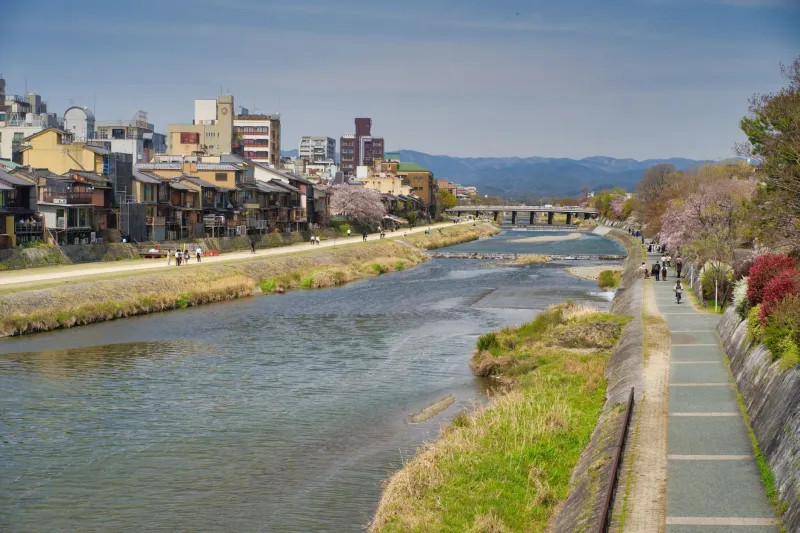
And the views. Because Tojinmachi sits on a gentle rise between the Muromi and the bay, even a modest fourth-floor unit can catch water. Not a postcard panorama, maybe, but a shimmer between buildings that changes with the weather. In a tower, you pay a premium for the view. Here, it's often thrown in.
Decoding the Listings: 'Reformable' and Other Magic Words
If you browse Japanese-language listings (and you should — Google Lens is your friend), you'll run across vocabulary that doesn't translate neatly. A few essentials:
- Reform (リフォーム): Renovation. A "reformable" listing means the landlord will allow — or sometimes fund — updates like new flooring, a system kitchen, or modern lighting. Older buildings with good bones often show dated interiors precisely because the landlord is waiting for a tenant who'll negotiate.
- Reform-zumi (リフォーム済み): Already renovated. Great, but you'll pay for it monthly.
- Washer-ucchi (洗濯機置場・室内): In-unit washing machine hookups. Not universal in older buildings; confirm before you fall in love.
- Elevator nashi (エレベーターなし): No elevator. In a four-story building, that's your negotiation lever — take the top floor and ask for a discount.
That last point matters more than it sounds. Walk-ups in Japan are priced by floor: higher floors cost more. But the top floor of a no-elevator building is often the best deal in the neighborhood — nobody wants to haul groceries up four flights, so demand drops. If you're reasonably fit and don't move pianos for a living, this is the arbitrage.
Working With a Japanese Landlord (Without the Anxiety)
Individual landlords here are often retirees or small family companies, and relationships matter more than paperwork. A few things that smooth the process:
- Show up in person. Walk the neighborhood, look for "Boshūchū" (募集中, 'vacancy') signs in windows, and ring the management office. Many of the best units never hit the internet at all.
- Bring a guarantor plan. Most landlords will ask for a guarantor (hoshōnin) or accept a guarantor company for a fee of roughly 50–100% of one month's rent. If you don't have a Japanese employer or family to vouch for you, budget for this.
- Expect key money. Reikin — a 'thank you' payment to the landlord, often one month's rent — is still common with older, individually owned buildings. It's negotiable, but don't be shocked by it.
- Ask about the roof and the pipes. Buildings from the '80s are structurally solid; plumbing and water heaters are the weak points. A good agent will flag recent updates.
- Nod at the neighbors. Seriously. In a small building, the landlord may informally consult existing tenants. Being the friendly foreigner who greets people in the stairwell is a genuine asset.
A bilingual agent near Nishijin or in Tenjin can translate listings and handle the process for a fee, but the neighborhood walk remains the single most effective tool. Dana found her place because she noticed a sign while buying strawberries.
How to Spot a Building With a Future
Not every older walk-up is a hidden gem. Here's my informal checklist, developed over three years of watching this neighborhood:
- Distance to Tojinmachi Station under 10 minutes — this is the line that keeps values resilient as Momochi develops.
- A real kitchen, not a kitchenette. Two-burner setups with counter space signal a building built for living, not just sleeping.
- Balcony depth. Older buildings often have deep balconies — free square footage for drying laundry and keeping a tomato plant alive.
- Landlord lives nearby. The single best predictor of maintenance quality I've found.
- Street noise check at 9 p.m., not 2 p.m. The Muromi-side streets are quieter; the main roads hum.
The honest bet is that prices here will eventually catch up. Momochi's towers keep climbing, Tenjin keeps densifying, and Tojinmachi sits in the sweet spot between them — ten minutes from everywhere, priced like nowhere. The window on generous, bay-adjacent, sub-$700 apartments won't stay open forever.
But that's next year's problem. This year, there's a fourth-floor unit with a bay sliver and a laundry pole, waiting for someone willing to climb.
Dana's up there now, by the way. She says the sunset from the stairwell landing alone is worth the four flights — and she's stopped noticing them entirely by week three.