Six in the Morning in Tojinmachi: Chasing Bakery Steam and River Fog Before the City Wakes Up
There's a version of Fukuoka that tourists never meet. It happens between six and nine in the morning, before the shopping arcades open and the tour groups arrive — when the neighborhood belongs to joggers, bakers, and old men walking very small dogs.
Tojinmachi does mornings beautifully. This is a photo-walk itinerary, best taken slowly, ideally with a camera you actually enjoy using. Total distance: about three kilometers. Total commitment: one very good morning.
Start at the Muromi River, Around 6:30 A.M.
Begin where the neighborhood begins: the water. The Muromi River cuts along the eastern edge of Tojinmachi, and at dawn it puts on a small, free show — low fog hovering over the surface, herons standing impossibly still on the concrete embankments, the first joggers of the day moving like metronomes along the promenade.
The riverside path here is one of Fukuoka's quiet pleasures. Rent a bike later if you like; for now, walk it. You'll pass rowers from the local university sculling upstream, and if the light is right, the morning sun catches the water in a way that makes even amateur photos look intentional.
The Bakery Line, 7:00 A.M. Sharp
Cut west toward the shopping streets near Yōfukuji Station and you'll find the neighborhood's unofficial alarm clock: the bakeries. Local spots around Tojinmachi start pulling loaves and melon pan from their ovens before sunrise, and by seven there's a small, polite line of residents — schoolkids with coins, retirees with canvas bags, nurses heading off shift.
Join the line. Order whatever is warm. There's no wrong answer at a Japanese bakery at 7 a.m., though the curry pan tends to sell out first, a fact the regulars will remind you of with mild satisfaction.
This is peak people-watching territory. The morning ritual here is genuinely ritualistic: the same faces, the same orders, the same nod of recognition between the baker and the man who has clearly been buying his bread here since before the subway existed.
Kissaten Time, 7:45 A.M.
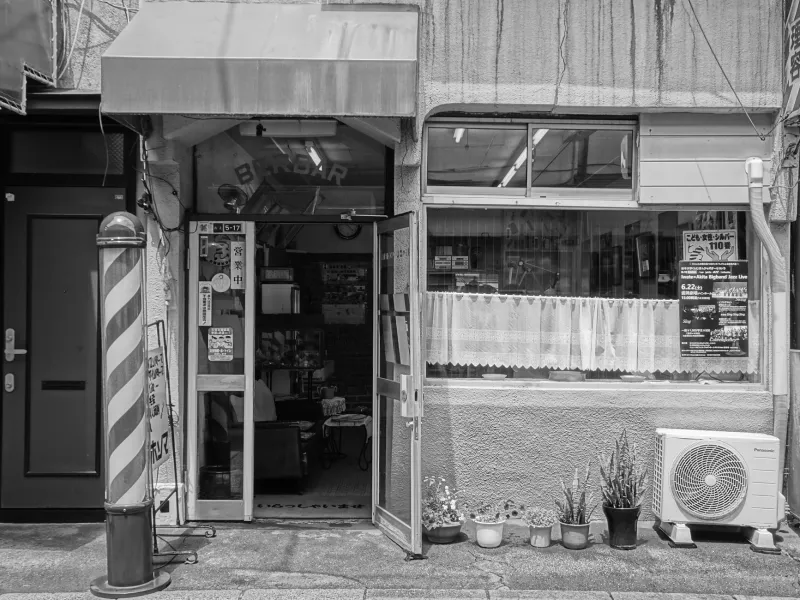
Now for the main event. Skip the convenience store coffee — you can get that anywhere in America. Instead, find one of the neighborhood's kissaten, the old-school Japanese coffee shops that time politely forgot.
Tojinmachi's side streets hide a few of these: velvet-ish chairs, a master in an apron pulling siphon coffee with surgical focus, and a morning set (morning set / moriingu setto) that is one of the great underpriced meals in Japan. For the price of a stateside latte, you'll get toast, a boiled egg, a small salad, and coffee — sometimes with a bonus slice of something sweet, because kissaten operate on their own generous logic.
Sit at the counter. Say ohayō gozaimasu. Watch the regulars read the sports pages. Stay as long as the coffee lasts.
Shutter Hour, 8:30 A.M.
Head back through the covered shopping arcade as the neighborhood clocks in. This is the hour of rolling shutters — the metal doors of greengrocers, dry cleaners, and stationery shops clattering up one by one, each revealing a small business that has probably occupied the same spot for decades.
Photograph it now, because by nine the arcade looks like every other Japanese shopping street: open, efficient, ordinary. The half-open version, with shopkeepers hosing down the sidewalk and arranging produce with the precision of florists, is the one worth capturing.
Note the small details US readers always mention afterward: the vending machine glowing at the end of an alley, futons airing from second-floor balconies, a cat who has clearly claimed a specific parked scooter as office space.
End at Nishikōen, Nine O'Clock
Finish your loop near Nishikōen Station, where the riverside greenery gives way to morning commuters and the neighborhood officially hands itself over to the workday. If you've timed it right, you'll end where you started — by the water, now bright and busy, the fog long gone.
Why This Walk Matters
Fukuoka's tourist highlights — the yatai ramen stalls, Canal City, the Dazaifu day trip — are all worth doing. But they don't tell you what living here feels like. A morning in Tojinmachi does. It's three kilometers of ordinary life performed with extraordinary care, which is maybe the most Japanese thing you can photograph.
Go tomorrow. The bakery opens early, and the curry pan won't wait.