Forget Tenjin: Why Your Rent Dollar Stretches Further in Tojinmachi
If you've been apartment hunting in Fukuoka as an American, you've probably had the same sticker shock I did — just in reverse. Rents in Japan's fifth-largest city are, frankly, a relief compared to anything back in the States. But within Fukuoka itself, there's a huge spread between neighborhoods, and Tojinmachi might be the best-kept secret of them all.
One stop on the Nanakuma Line from the shopping madness of Tenjin, this riverside pocket of Sawara Ward offers something increasingly rare in Japanese cities: actual living space at prices that won't make your remote-work salary weep.
What $800 Actually Buys You Here
Let's talk numbers, because that's why you're reading this. At roughly ¥120,000 a month (about $800 depending on the exchange rate that week), here's the realistic menu:
The modern 1K option: Sleek, recently built single units near Nishijin or Tojinmachi stations run ¥65,000–¥85,000. We're talking 25–30 square meters, in-unit washer hookups, induction cooktops, and auto-lock entry. If you're a solo remote worker, you could actually spend $550–600 and pocket the difference.
The sweet spot 1LDK: This is where $800 shines. A one-bedroom with a separate living room — 40 to 50 square meters — in a building less than ten years old. Try finding that in Austin or Seattle for under $1,800. In central Tenjin, the same unit jumps to ¥130,000+.
The family-sized sleeper pick: Here's the surprise. Older (think 1980s–90s) 2DK and even 3DK units near the Muromi River can be had for ¥75,000–¥95,000. They're dated — expect tatami rooms, a unit bath, and a kitchen galley that screams Showa era — but they're solid, spacious, and often a five-minute walk to the water. Couples and small families, this is your lane.
The Nanakuma Line Changes Everything
When the subway extension opened, Tojinmachi went from sleepy to seriously convenient. You're eight minutes from Tenjin, with Yōfukuji and Nishikōen stations adding coverage along the river. If you work hybrid or fully remote like most American transplants here, you might use the train twice a week — which means you can trade proximity for square footage without guilt.
Buses along the Muromi and the Nishitetsu lines give you backup options, and a bicycle gets you to the Seaside Momochi beaches in fifteen minutes. Honestly, the location math works out better than most expats expect.
Key Money, Guarantors, and Other Plot Twists
Now for the stuff no one tells you before you sign. Japanese leases come with upfront costs that surprise Americans:
- Shikikin (deposit): Usually one to two months' rent, refundable minus cleaning fees.
- Reikin (key money): A non-refundable 'thank you' gift to the landlord, often one month's rent. The good news: many Tojinmachi listings, especially newer buildings competing for tenants, advertise reikin-free. Filter for zero-key-money and your move-in cost drops dramatically.
- The agency fee: Typically one month's rent to the listing agent. Yes, you pay to rent. It's normal.
- Guarantor company: Most landlords won't rent to foreigners without a hoshō-gaisha, a guarantor company that backs your lease for an annual fee (roughly 50–100% of one month's rent, paid in installments). If your employer sponsors you, you might skip this.
Budget roughly four to five months' rent for move-in on a standard lease, closer to three if you find a reikin-free unit. International-friendly agencies in Fukuoka — the ones with English-speaking staff near Ohori Park and in Tenjin — are worth their fees the first time around.
Landlord Etiquette, American Edition
Fukuoka landlords, like most in Japan, value stability and quiet. A few things that smooth the process:
Show up to viewings early, shoes off where indicated, and bring a real application plan (when you'd move, your visa/work status, employer contact). Punctuality is a personality trait here — being five minutes late to a viewing matters more than your credit score.
Expect questions about noise (drums: no), overnight guests (fine, occasionally), and whether you'll take the futon off the tatami (please do). Older landlords can be wary of foreign tenants purely from communication anxiety, not prejudice — an agent who speaks both languages dissolves this instantly.
One more quirk: many Japanese apartments come completely unfurnished. No fridge, no washer, sometimes no light fixtures. Budget ¥50,000–¥80,000 for appliances, or hunt for 'fsa' (furniture and appliances included) listings, which are increasingly common in this price bracket.
The Verdict
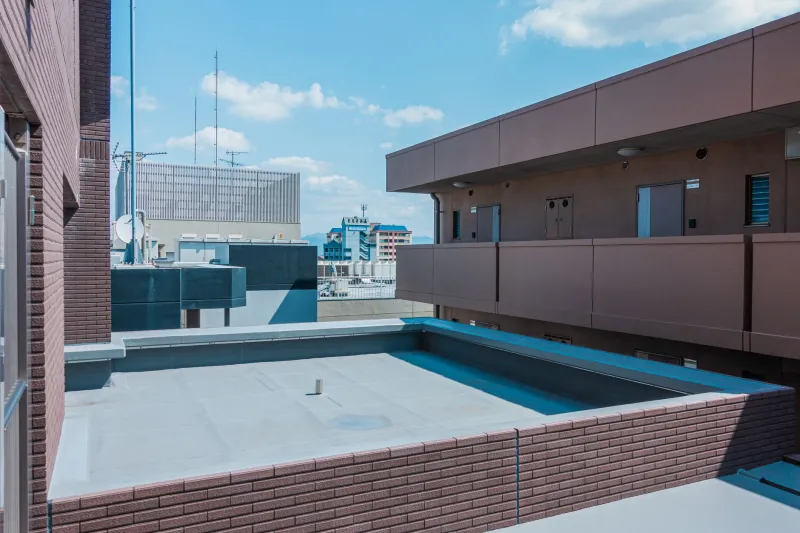
For $800 a month in Tojinmachi, you get a modern one-bedroom with river views, a seven-minute subway ride to downtown, and a neighborhood with actual bakeries and izakaya rather than tourist traps. The same budget in central Tenjin gets you a studio with a view of someone's air conditioning unit.
Space, river walks, and money left over for ramen. That's the Tojinmachi trade — and it's a good one.