Fever at 2 A.M.? Your Expat-Friendly Guide to Tojinmachi's Clinics and Pharmacies
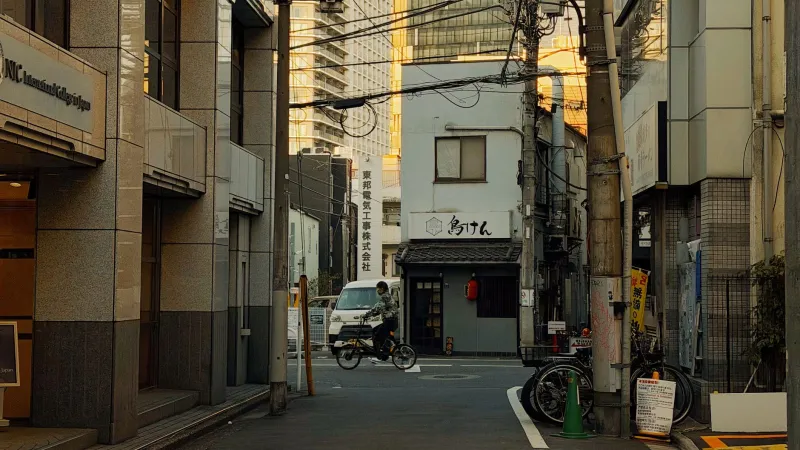
The first time I got sick in Japan, I did what any American would do: I Googled "urgent care near me" at 11 p.m., spiraled through a WebMD hole, and briefly considered flying home. What I didn't know — because nobody tells you this — is that Tojinmachi might be one of the easiest places in Fukuoka to be a sick foreigner. Small neighborhood, big safety net. Let me walk you through it.
First, the Good News: You're Insured (Probably)
If you're on a work visa or enrolled in a language school, you're almost certainly covered under Japan's National Health Insurance (kokumin kenkō hoken) or your employer's shakai hoken. That means you'll pay 30% of most medical costs out of pocket — often less than a US copay. A standard clinic visit with medication typically runs 2,000–5,000 yen total. I once paid about $18 for an appointment, strep test, and antibiotics. I texted my mom a photo of the receipt like it was a lottery win.
Register for insurance at the ward office (the Fukuoka City Hall Nishi branch handles Tojinmachi residents) and carry your card everywhere. Every clinic visit starts with it.
Drugstore vs. Pharmacy: Know the Difference
This trips up every American, so here's the shorthand:
- Drugstore (drugstore) — Think CVS or Walgreens. Sugi, Cosmos, and Tsuruha all have locations within a few minutes of Tojinmachi Station. Great for bandages, vitamins, and over-the-counter meds like ibuprofen (look for ibuprofen) or cold medicine. But many stronger meds are pharmacist-only in Japan.
- Pharmacy (pharmacy) — Usually attached to or next door to a clinic. If a doctor prescribes something, you take your paper prescription (prescription slip) here. The pharmacist will walk you through dosing — and several near the station have staff who can manage basic English, especially the younger ones.
One cultural note: Japanese pharmacists explain everything — every pill, every warning — and it can take ten minutes. Don't hover impatiently. This is the system working.
Decoding the Pharmacy Bag
You'll get a little paper bag with your meds and a stapled info sheet. Here's your cheat sheet:
- Dosage schedule — how many times a day
- After meals — after meals
- Before meals — before meals
- Every X hours as needed — as needed
- Stop taking when symptoms improve — finish the course, but this means "stop when symptoms resolve"
The info sheet also lists side effects and whether the med causes drowsiness (causes drowsiness). Screenshot this section. Future you, groggy at 7 a.m., will be grateful.
What a First Appointment Actually Looks Like
Forget everything about US urgent care. Here's the typical flow at a small Tojinmachi internal medicine or ENT clinic:
- Walk in — many neighborhood clinics don't require appointments. Grab the reception tablet (some have an English language toggle, some don't — front desk staff are used to pointing and smiling).
- Hand over your insurance card. First visit includes a small additional fee.
- Wait 15–45 minutes. Bring a book.
- See the doctor. Consultations are brisk but thorough. If your Japanese is shaky, carry your symptoms written in English plus a translation app — Google Translate's camera mode works on clinic forms surprisingly well. A few clinics near the station advertise English support on their door stickers; look for the English OK mark or ask your neighbors in the expat Facebook groups for the current go-to.
- Pay at reception, take your prescription slip to the adjacent pharmacy, done.
The vibe is less "defensive medicine," more "here's some medicine, rest, come back if it lingers." Adjust your expectations accordingly.
When It's Late and You're Worried
Most neighborhood clinics close by 6 p.m. and take Sunday off. If you're genuinely worried at night, the Fukuoka City emergency medical information line (during daytime hours, check the current number for nights) can direct you to the nearest on-duty clinic. The large hospitals toward the city center handle true emergencies — and yes, they'll see you regardless of language.
For the 2 a.m. fever panic that turns out to be nothing (it's usually nothing): a 24-hour Cosmos or Sugi drugstore near the station can get you fever reducers, electrolyte drinks, and ice packs. Combine that with rest, and you've handled 90% of expat health scares.
The Reassurance You Didn't Know You Needed
Here's what I tell every newly landed American: the scariest part of getting sick here is the anticipation, not the reality. The system works. The costs won't bankrupt you. The pharmacist will explain your meds twice if you ask. And somewhere between the insurance card and the little paper bag of pills, you'll realize you didn't need to panic — you just needed to know where to walk.
Down the street, as it turns out. Get well soon.