Three Visits Until You Belong: Lessons From Becoming a Regular at My Tojinmachi Izakaya
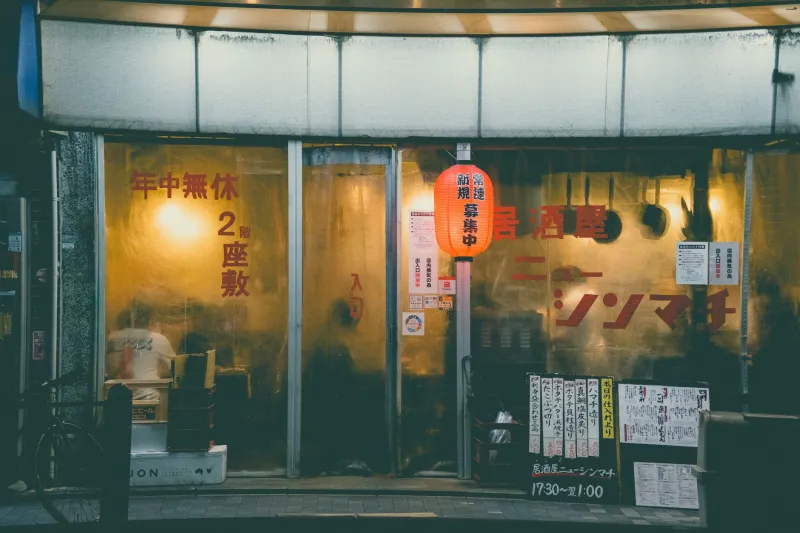
The first time I walked into the little izakaya two blocks off the shopping street, I did what most Americans do: I apologized. For my Japanese, for not knowing the menu, for existing, basically. The owner — a compact man in his sixties with a towel around his neck and zero patience for apologies — waved me onto a stool and poured me something without asking.
Eighteen months later, I have a seat. Not an assigned one, exactly, but the one at the end of the counter where the fan hits just right, and when I sit down, my drink appears before my coat comes off.
Getting from point A to point B took three visits. Not three years. Three. And understanding how that works is, I think, the single most valuable skill an American in Japan can develop.
Visit One: Be a Good Guest
The first visit is simple. Show up, be polite, order what's in front of you. If there's no English menu, point at what other people are eating — this is universally understood and never embarrassing. Order the house recommendation if offered. Say "gochisousama deshita" (thank you for the meal) when you leave, and mean it.
Do not, under any circumstances, try to be charming on visit one. You are background noise, pleasantly so. That's fine. That's the assignment.
Visit Two: Show Your Face
Here's where most foreigners fail, and I don't say that judgmentally — I say it because I almost did too. Visit two is where you return to the same place. Not a different izakaya because you saw one with better reviews. The same one.
The owner will notice. Maybe just a flicker of recognition, maybe a nod. Order something you had last time, or ask what's good tonight. Stay two hours if you can. Izakaya culture runs on unhurried time — this is drinking as conversation, not drinking as event, and the pacing is the point.
Visit Three: The Handshake
The third visit is where the magic happens, and I can't fully explain the mechanics, only the results. On my third visit, the owner remembered I drank highballs. He didn't ask — he just set one down. In that moment, I stopped being a customer and became, in the small way that matters here, a regular.
What that means in practice: the other counter patrons start talking to you. Somebody explains a dish you've never tried. The owner sends out something small and unsolicited "because it's good tonight." You learn the names of people you'll see every week for years.
The Unspoken Rules
A few things I learned the slow way, so you don't have to:
Otooshi is not a scam. The little appetizer that appears unasked is a seat cover charge, and it's usually delicious. Accept it gracefully.
Don't linger over one drink during peak hours. Friday and Saturday nights, counter seats are gold. Two drinks and a snack on a busy night earns you goodwill; four hours of nursing a beer does not.
Cash first, card later. Many small izakaya are cash-only or card-reluctant. Watch what locals do.
Leave the tipping instinct at the door. Seriously. It confuses people and occasionally causes genuine alarm.
Why This Matters More Than Any Tour
I've done the big Japan experiences — the temples, the robot restaurants, the fish market at dawn. They were great. But they're consumption. What the izakaya gave me is something else entirely: a place where I'm expected, where the owner asks about my work, where I've spent New Year's Eve with people who started as strangers at the next stool.
That's the difference between visiting a country and living in a neighborhood. And in Tojinmachi, the barrier to entry is remarkably low. You don't need fluent Japanese, a local connection, or even good manners — just the same stool, three times.
Pick your place. Go back. Order the highball.
That's it. That's the whole secret.